What Is Sensory Design?
Sensory design is an approach to architecture and interiors that engages all five senses – sight, sound, touch, smell and taste – to create spaces that feel as good as they look.
Instead of focusing only on aesthetics, sensory design makes environments emotionally resonant, shaping how we experience and connect with space.
In practice, this means designing homes that influence how we feel, think and behave, from the calm brought by natural light to the warmth created by materials and textures.
Why Sensory Design Matters in Modern Living
Today’s homes are more than functional spaces; they’re sanctuaries that affect mood, focus and well-being.
Sensory design helps turn a house into a holistic experience, balancing functionality with emotional impact.
Research in environmental psychology shows that sensory-rich spaces can improve sleep, reduce stress and enhance productivity. This makes sensory design especially relevant in cities like Dubai, where light, heat and lifestyle influence how we interact with our surroundings.
At 8876 Properties, sensory design is part of the brand’s DNA, every project is created to awaken emotion, comfort and connection.
How Does Sensory Design Work at Home?
Sensory design integrates materials, colors, lighting, sounds and scents in a coordinated way to influence mood and perception.
Each sense plays a distinct role in shaping how a space feels:
- Sight: Colors, lighting and proportions shape perception and mood.
- Sound: Acoustics influence calm, privacy and focus.
- Touch: Textures and materials create warmth, comfort and connection.
- Smell: Natural scents evoke memory and emotion.
- Taste: The way we experience food and gathering areas completes the sensory journey.
By curating these sensory layers, design becomes not just visual but immersive.
How to Apply Sensory Design at Home
Applying sensory design doesn’t require a full renovation, it’s about awareness and intention. Here are practical ways to bring it to life in your home:
1. Use Light as a Design Element

Maximize natural light whenever possible. Combine soft artificial lighting with warm tones to create a sense of calm and balance. In Dubai’s bright climate, consider layered lighting to transition smoothly from daylight to evening ambience.
2. Incorporate Natural Materials

Choose stone, wood, linen and clay over synthetic materials. Natural textures are grounding and connect you to your environment.
3. Balance Temperature and Texture
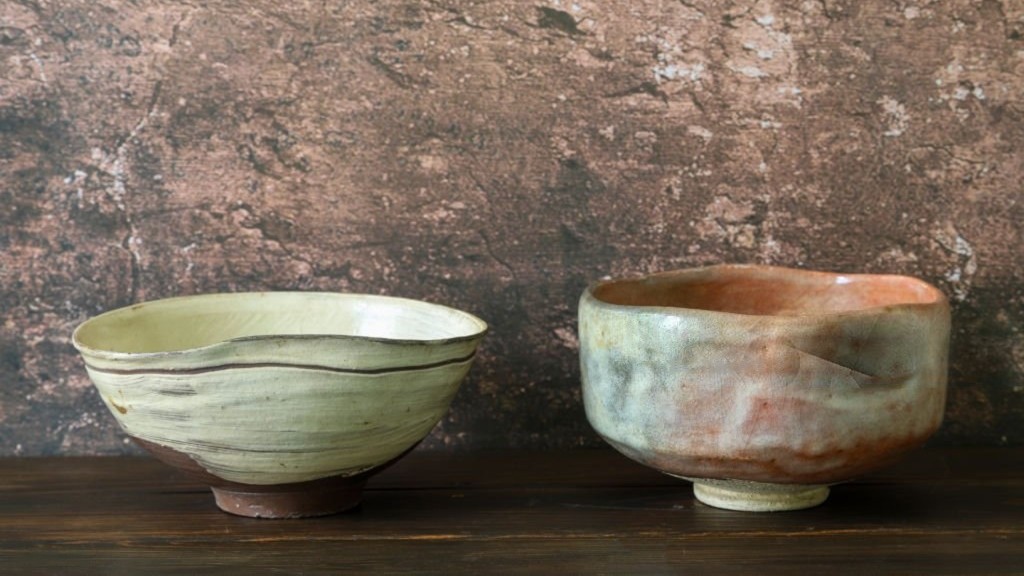
Cool marble and warm fabrics, or smooth walls and rough ceramics, create contrast and sensory depth.
4. Design with Sound in Mind
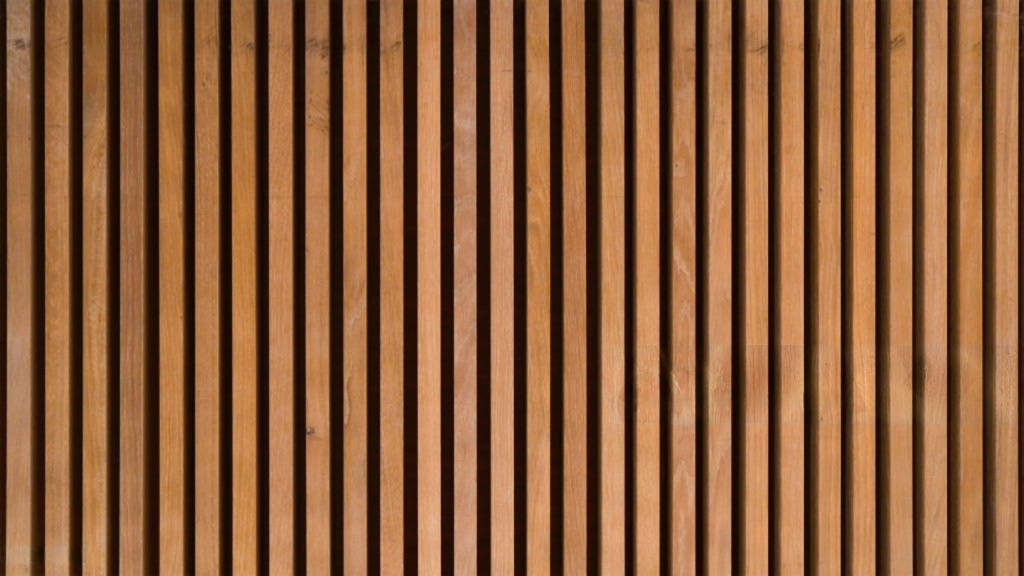
Soft furnishings, rugs and wall panels can absorb excess noise, while water features or ambient sound systems bring tranquility.
5. Introduce Subtle Scents
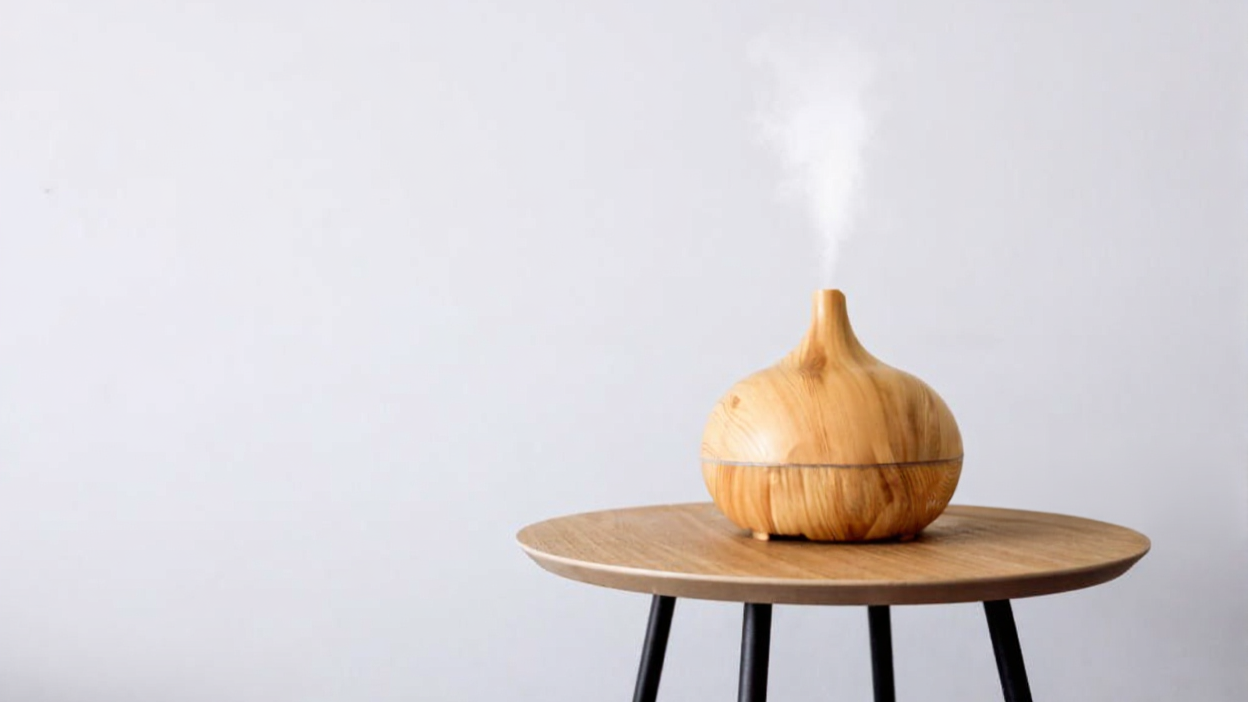
Natural diffusers, herbs and fresh air circulation can transform the emotional tone of a room.
6. Create Flow and Rhythm
Organize spaces around natural movement. The way you walk through a home should feel effortless – a silent choreography between furniture, light and materials.
What Are the Benefits of Sensory Design?
Sensory design enhances both physical comfort and emotional well-being.
Here’s how it impacts daily living:
| Sense | Effect on Well-being | Design Strategy |
| Sight | Reduces fatigue, improves focus | Balanced lighting, natural tones |
| Sound | Calms the mind, enhances privacy | Acoustic design, soft materials |
| Touch | Evokes comfort and familiarity | Textured surfaces, organic fabrics |
| Smell | Boosts memory and relaxation | Natural scents, ventilation |
| Taste | Strengthens connection and joy | Welcoming kitchens, dining flow |
When combined, these sensory cues create spaces that feel intuitively right, homes that comfort, inspire and restore.
How Sensory Design Adapts to Dubai’s Climate
Dubai’s climate, light intensity and cultural rhythm shape how sensory design is applied locally.
- Light management: Soft diffusers, shaded outdoor areas and reflective materials reduce glare while maintaining brightness.
- Cooling materials: Stone, clay and light textiles regulate temperature naturally.
- Indoor–outdoor balance: Courtyards, terraces and open-plan layouts encourage airflow and connection with nature.
- Color psychology: Neutral palettes with desert-inspired tones enhance calm and reflect cultural harmony.
This blend of aesthetics and practicality defines The 8876 Properties’ approach, creating homes that align with both environment and emotion.
How The 8876 Properties Applies Sensory Design
At The 8876 Properties, sensory design isn’t a trend, it’s a method.
Each home is developed through a multidisciplinary process where architecture, art and emotion merge.
1. Architectural Harmony
The design team considers how light interacts with materials and flow. From the curve of a wall to the depth of a shadow, every element is intentional.
2. Material Selection
Surfaces are chosen for their tactile and visual balance – stone that feels cool, wood that warms the air, textiles that invite touch.
3. Emotional Mapping
Before construction begins, designers map how each space should feel: calm, intimate, inspiring or expansive. This emotional intent guides every design choice.
4. Connection to Art
Art is not an accessory but part of the structure, shaping how people perceive and move through the space.
Through this approach, 8876 Properties redefines what it means to live in Dubai. Homes that are not only seen, but felt.
What Is the Future of Sensory Design in Real Estate?
As lifestyles become faster and cities denser, sensory design is shaping the future of high-end living.
Developers and architects increasingly recognize that emotional resonance drives value.
In Dubai, where architecture often aims for scale and spectacle, sensory design offers something different – intimacy and connection.
Homes designed with sensory awareness adapt better to human rhythms, climate and emotion.
The 8876 philosophy reflects this shift: real estate as an emotional experience, where design becomes a living language.
FAQ
1. What is sensory design?
It’s a design approach that engages all five senses to create spaces that feel balanced, emotional and human.
2. How can I use sensory design at home?
Work with light, texture, sound and scent. Use natural materials, soft lighting and calming tones to create harmony.
3. Why is sensory design important?
It improves comfort and well-being by shaping how you feel in your space, not just how it looks.
4. How does sensory design fit Dubai’s lifestyle?
It balances light, temperature and texture, creating homes that stay cool, bright and connected to nature.
5. How does The 8876 Properties apply it?
Every 8876 home is designed to be felt, blending architecture, art and sensory elements for a living experience with meaning.
More Than Design, It’s Emotion
Sensory design transforms how we live, work and connect with space. It reminds us that design isn’t just visual, it’s emotional.
At The 8876 Properties, this philosophy guides every project: homes created not only to impress, but to resonate.
Discover how sensory design can redefine your home experience and explore the world of 8876, where every detail is designed to be felt.